
The RNLI (Royal National Lifeboat Institute) has for a year or so been putting out articles about ‘safety in and around’ the water. These have been in own magazine but oft as not, relayed by Marine Industry News. I have even seen them on social media (facebook) other platforms too, likely.
The information has not been specifically targeted at the core seafarer or small craft sailor but at those that go down to the sea on a fine day, walking, swimming, paddle boarding, canoeing and such.
The latest RNLI guidance is within a Marine Industry News item link below:
Float to Live campaign targets Gen Z coastal safety risks
The campaign opened at the man made Wave, located in Bristol – it mimics sea surfing conditions. The campaign follows an item last spring (2025) about understanding of tides for too many people lack much understanding or of the forces within a tide. Getting cut off is common…
Small craft sailors do not need lectures about tides and the latent power held within them, but many people do. See below:
Tidal safety: Survey reveals limited public understanding of tides
There has already, this year, been a number of tragic deaths around our coasts recently. The case of three swimmers off Brighton beach being one, but the heat-wave enveloping a large swathe of the country has brought huge numbers of ‘city dwellers’ to the coast. By the last count listening to the news, four more people have died.
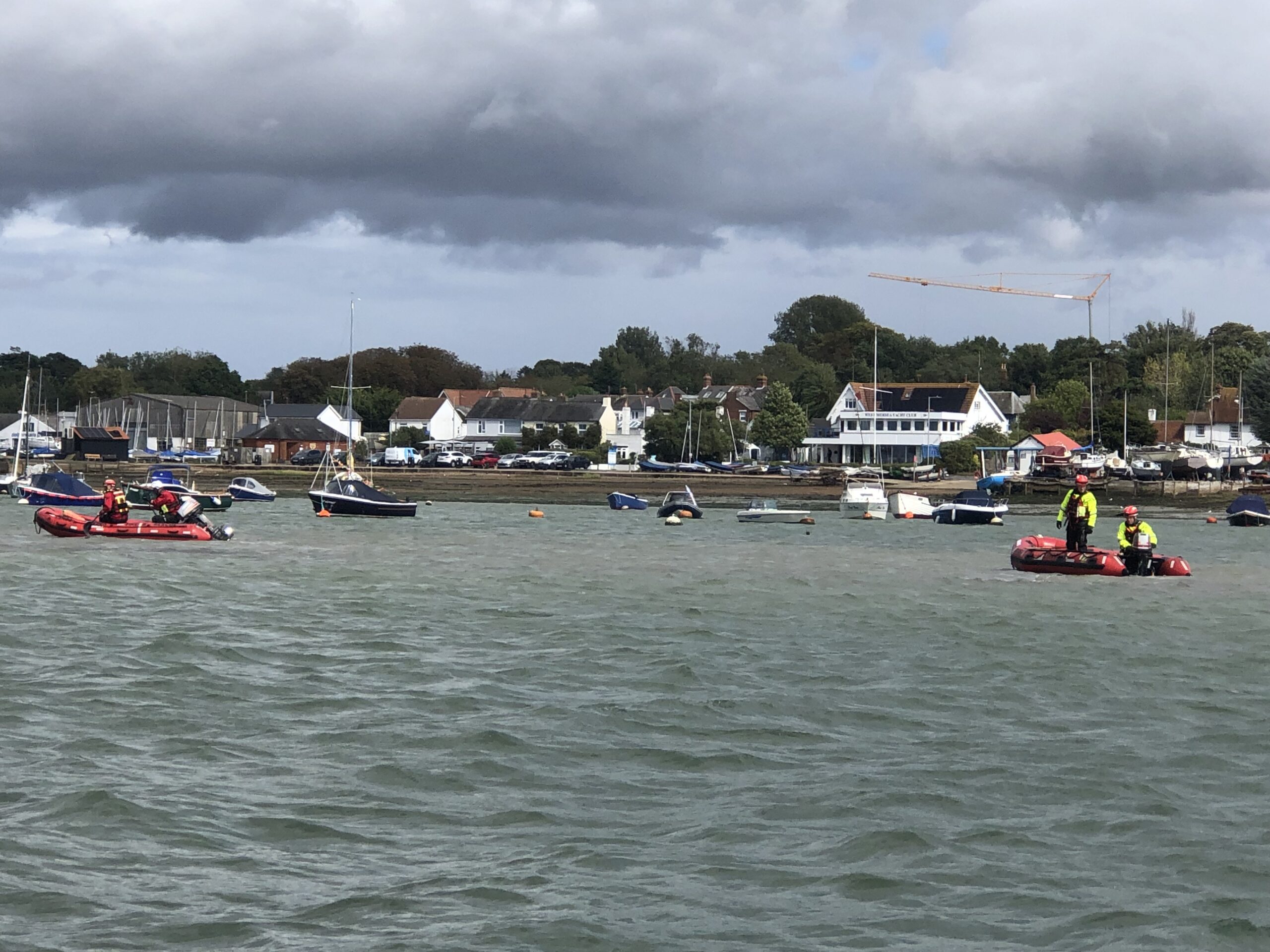
Rescue Services out on ‘a jolly’ practising around Mersea Quarters – these were Essex Fire & Rescue.
Dedicated swimming areas often have dedicated lifeguards on duty but hundreds of miles of coastline has at best a passer by. Strangely, it is the centres of shore life that seem to have most problems.
In my own locale. the Southend foreshore and Ray edges often catch people out. There is also the broken WW2 Phoenix Unit that attract sand walkers with regular cases of tide cut offs needing rescue.
All said and done, the advice about ‘Stay Afloat Stay Alive’ is for all.
If you do use the sea in any form, it is worthwhile helping the RNLI in monetary terms by becoming members. They’re more than an insurance policy: could save your life too…